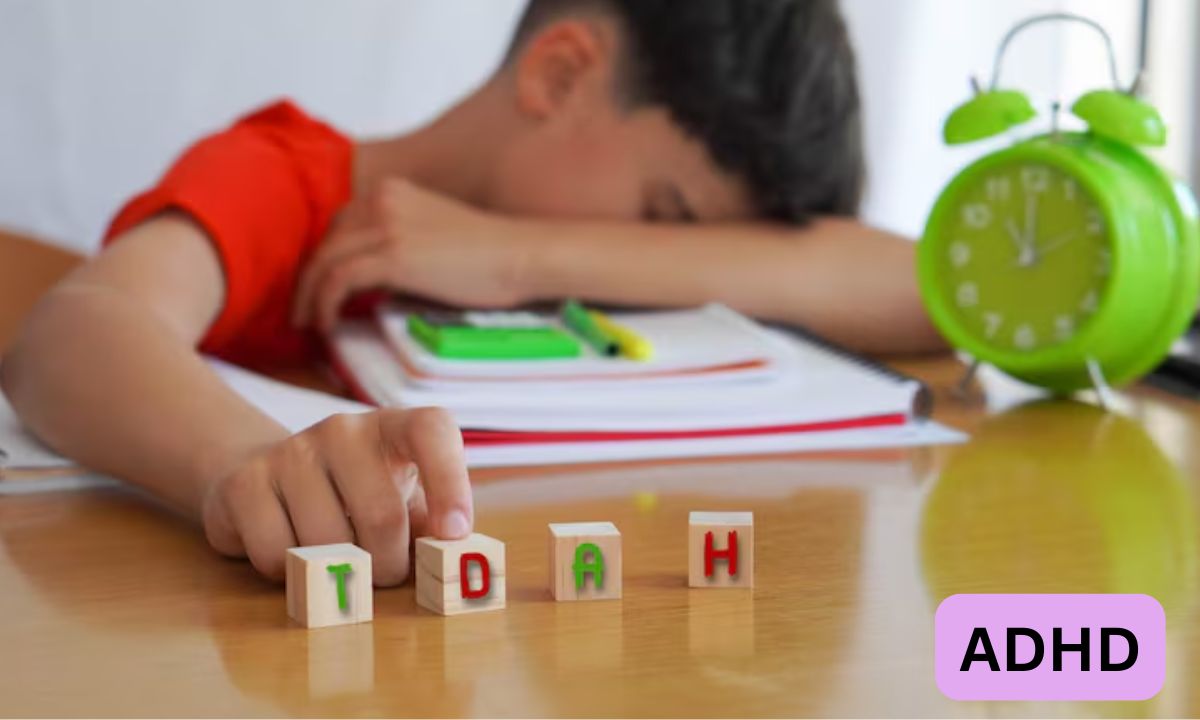
Understanding Hyperactivity and Impulsivity in Children
Hyperactivity and impulsivity are two of the most noticeable traits in children with ADHD. While occasional restlessness or impulsive behavior is normal in childhood, persistent patterns may indicate a deeper issue.
Understanding these behaviors helps parents respond effectively and support their child’s development.
What Is Hyperactivity?
Hyperactivity refers to excessive movement that is not appropriate for the situation. Children may:
- Constantly fidget or squirm
- Run or climb excessively
- Struggle to stay seated
- Talk excessively
This behavior is not simply “having too much energy.” It is linked to how the brain regulates activity levels.
What Is Impulsivity?
Impulsivity involves acting without thinking about consequences. Children may:
- Interrupt others frequently
- Blurt out answers in class
- Struggle to wait their turn
- Make quick decisions without considering risks
Impulsivity can affect both behavior and social interactions.
Why Do These Behaviors Occur?
Hyperactivity and impulsivity are linked to differences in brain function, particularly in areas responsible for:
- Self-control
- Attention regulation
- Decision-making
Neurotransmitters like dopamine play a key role, affecting how children respond to stimuli and rewards.
How These Behaviors Affect Daily Life
These traits can impact multiple areas:
At Home
- Difficulty following instructions
- Frequent conflicts with siblings
- Trouble completing tasks
At School
- Disrupting class
- Difficulty focusing
- Academic challenges
Social Situations
- Trouble maintaining friendships
- Misunderstandings with peers
Managing Hyperactivity Effectively
Parents can help manage hyperactivity by:
- Encouraging regular physical activity
- Creating structured routines
- Allowing short breaks during tasks
Providing safe outlets for energy helps children stay more focused during important activities.
Reducing Impulsive Behavior
To manage impulsivity:
- Teach children to pause before acting
- Use simple cues like “stop and think”
- Practice turn-taking games
Consistency and repetition help children develop better self-control over time.
The Role of Positive Reinforcement
Rewarding good behavior encourages children to repeat it. For example:
- Praise waiting patiently
- Reward completing tasks without interruption
Positive reinforcement builds confidence and improves behavior.
When to Seek Professional Help
If hyperactivity and impulsivity significantly interfere with daily life, professional support may be necessary. Clinics like Seed Medical (seedmedicalhk) provide expert ADHD assessment and treatment plans tailored to each child’s needs.
Early support can make a significant difference in managing these behaviors effectively.
Helping Children Build Self-Control
Self-control is a skill that develops over time. Parents can support this by:
- Modeling calm behavior
- Teaching coping strategies
- Practicing patience
Children learn best through consistent guidance and encouragement.
Conclusion
Hyperactivity and impulsivity are core features of ADHD, but they can be managed with the right approach. Understanding the root causes, creating structured environments, and using positive reinforcement can significantly improve a child’s behavior.
With support from parents and professional services like Seed Medical (seedmedicalhk), children can learn to manage these challenges and grow into confident, well-adjusted individuals.